
5 Key Benefits of Electrical Utility Consulting for Construction Projects in Southern Maine
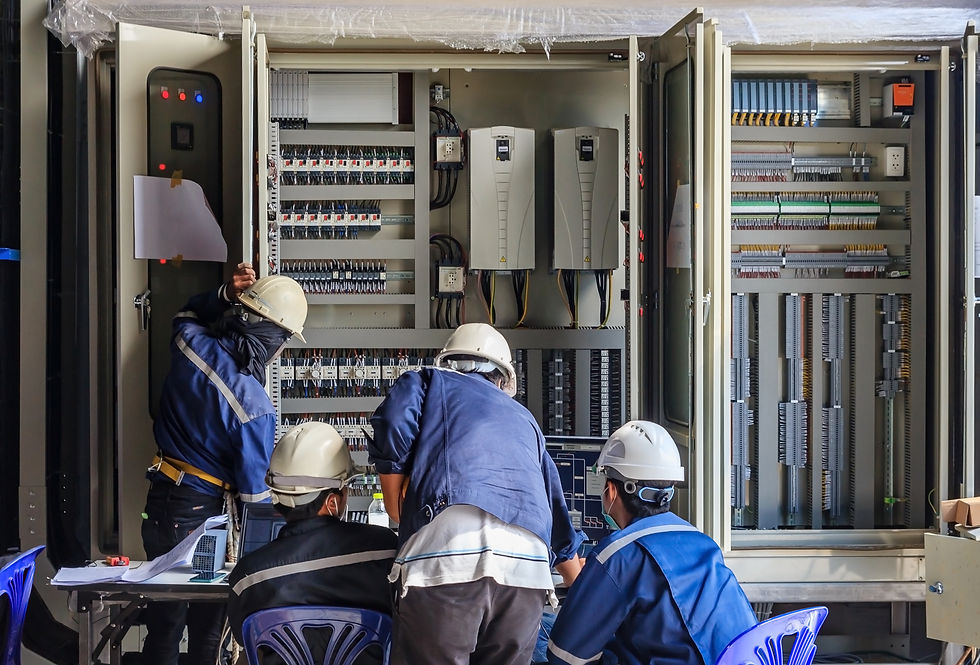
Electrical utility consulting shapes the foundation of successful construction projects in Southern Maine, a region where volatile weather, grid complexity, and shifting municipal protocols routinely challenge timelines and budgets. Mistakes in early utility planning can multiply into costly delays, unmet compliance obligations, or system designs unfit for future business needs. Navigating this landscape demands a rare blend of local regulatory insight, technical depth, and project management discipline.
In Saco and its surrounding communities, modern construction projects outpace the scope of traditional electrical contracting. Owners and developers face mounting pressure: connect evolving technologies, fulfill demanding code requirements, and minimize costly downtime amid tight labor markets. Off-the-shelf answers miss the practical obstacles unique to Maine's energy environment - including fluctuating grid capacities and season-dependent site access.
Citori Group, LLC provides strategic guidance at this critical intersection of construction and technology. Drawing from over two decades of enterprise IT and construction consulting experience - reinforced by recognized industry certifications - the team brings a cross-disciplinary approach trusted by clients throughout Southern Maine. Their hands-on consulting clarifies the intricate flow between utility coordination, project approvals, and advanced system integration.
As the region's construction market grows more dynamic, specialized electrical utility consulting has become essential - not only for securing regulatory sign-off but also for enabling cost-controlled delivery and scalable infrastructure. Understanding these advantages frames every decision when building for resilience and growth in Maine's demanding conditions.
Unlocking Project Success in Southern Maine: The Role of Electrical Utility Consulting
Construction projects in Southern Maine often grind to a halt due to tangled power grid infrastructure, unpredictable weather, and evolving compliance standards. Saco and neighboring towns present an added layer of difficulty: grid capacities fluctuate, winter storms complicate scheduling, and local permitting demands change as regulations shift. Electrical utility planning here means navigating a web of municipal protocols, coordinating across multiple utility providers, and responding quickly to outages or unforeseen site conditions.
Citori Group, LLC stands out in this landscape. Based in Saco, we draw on over 22 years of integrated construction and IT consulting expertise. Our team holds key industry certifications and understands the region's unique regulatory frameworks firsthand. By pairing electrical utility consulting with digital project oversight, we provide measurable gains for construction clients - streamlining approvals, enhancing project visibility, and anticipating problems before they impact deadlines or budgets.
This dual-certified perspective proves especially valuable along Maine's southern corridor, where competition for energy resources and sudden climate shifts can catch even experienced builders off guard. The following analysis explores five concrete ways electrical utility consulting improves outcomes for construction projects - reducing risk, accelerating delivery, and helping you make informed infrastructure decisions tailored to Southern Maine's environment. These advantages are grounded in Citori Group's commitment to practical support and direct, transparent communication at every step.
1. Reducing Costly Delays Through Local Grid Expertise
Maine's aggressive winters and shifting municipal rules expose construction schedules to hidden risks. Delays here rarely stem from on-site labor or materials alone. Instead, they often trace back to misplaced assumptions about local power grid thresholds, last-minute changes in permit requirements, or lags in utility company response. Each day of power timeline slippage directly erodes project margins - aggravated by the seasonality of site access in southern Maine.
Citori Group, LLC acts as a translator between construction teams and Saco's utility ecosystem. With over two decades of practice bolstered by dual membership in key industry associations, the firm understands both the written codes and unwritten realities of working with the regional power grid. Early engagement means that grid limitations - like seasonal load restrictions or transformer lead times - rarely take teams by surprise.
Consider a hypothetical multi-unit housing project near downtown Saco scheduled for autumn closeout. When a surprise change in municipal review threatened to extend the utility approval process, our team leveraged ongoing relationships with grid stakeholders to fast-track necessary documentation. The outcome: trenching and backfeed proceeded before ground freeze set in, preventing a months-long gap in site work and sparing the owner hefty holding costs. Experiences like this reflect daily barriers faced by those not embedded in the local utility network.
Familiarity with real operating conditions allows Citori Group to flag issues during feasibility analysis, clarify optimal scheduling for energization, and maintain momentum during periods when utility capacity runs tight - common as heating demand spikes each fall. Because Saco's grid operates within a web of regional dependencies, anticipating these pinch points (and having the right contacts) keeps projects moving amid local constraints.
Tight coordination also supports proper documentation for code compliance as grid upgrades move forward - so schedule gains aren't diluted by regulatory catches later. The next section explores how staying ahead of rules enhances project certainty across all phases of delivery.
2. Navigating Regulatory Compliance With Confidence
Complex code requirements and shifting regulatory frameworks present one of the highest hurdles for construction in Maine. Projects risk stepping into costly traps - from incomplete applications that result in rework, to overlooked ordinance updates that halt progress after months of investment. Navigating these demands can determine whether a build moves forward or gets bogged down by penalties and delays.
Citori Group, LLC draws on OSHA Safety Certification and membership in the National Electrical Contractors Association to demystify compliance for construction projects across Saco and the southern Maine corridor. Years of working with state and local permitting agencies taught our team how electrical utility consulting intersects with evolving ordinances unique to this region. Rather than parsing official town bulletins alone, clients gain the benefit of hands-on advisors who have seen inspection standards shift season by season.
Concrete Benefits of Guided Compliance
Direct liaison: Citori Group communicates with city and state inspectors, submitting required plans and addressing technical questions to prevent delays before they develop into jobsite standstills.
Stepwise clarity: Clients receive practical walk-throughs tailored to their permit path - scope reviews highlight disputed requirements before documentation is filed.
Adaptive tracking: The team maintains up-to-the-day awareness of recent code changes, grid safety advisories, and shifting enforcement priorities that affect Saco-area filings.
Error prevention: Thorough documentation checks reduce rework risk by flagging mismatches between engineering intent, submittal language, and what local authorities accept onsite.
This approach keeps projects on schedule while protecting against citation or shutdown risk. Accountability runs throughout our work - Citori Group goes beyond paperwork filing, accompanying inspections when complexities arise or clarification is required. We speak directly with officials to safeguard approvals with practical, on-the-ground detail.
Reliable compliance practices do more than shield budgets and reputations - they also lay groundwork for durable system function. Clean records and properly executed grid connections help projects secure both regulatory sign-off today and long-term reliability tomorrow - the focus of the next priority for optimizing power grid infrastructure on Maine construction sites.
3. Optimizing Power Infrastructure for Efficiency and Scalability
Projects throughout Southern Maine face a persistent risk: electrical systems installed with only present needs in mind often become bottlenecks as business requirements and technology evolve. Undersized panels, outdated switchgear, and lack of capacity planning lead to recurrent outages, infrastructure strain, or expensive retrofits that disrupt operations. These challenges intensify where grid infrastructure quality and local conditions differ block by block, as they do across Saco's varied neighborhoods.
Engaging electrical utility consulting early in a project's lifecycle streamlines the design of power networks to match both current loads and anticipated future demand. Citori Group, LLC stands apart by uniting deep construction consulting knowledge in Maine with advanced IT acumen. The team evaluates how critical building systems - lighting, HVAC, security, and communications - can interconnect smoothly with digital infrastructure such as network switches, server rooms, or specialized production technology. Each component is considered within the broader context of Saco's diverse distribution networks and permitting realities.
On-site assessments provide direct inspection of physical constraints - existing wiring routes, main service room conditions, available grid capacity - in real time. Remote consultations layer in analysis of digital system topology, planned device rollouts, and intelligent monitoring hardware where required. Through this integrated process, Citori Group identifies pinch points before walls are closed or circuits energized. As a result, construction companies avoid profit loss from abandoned workarounds or costly last-minute upgrades.
Cost control: Right-sized electrical infrastructure lowers material expenditure and halts needless over-design.
Reliability: Balanced system architecture reduces breakdowns linked to overstressed feeders and overloaded main lines.
Business resilience: Proactively designed power grids allow easy modification when sites expand or operation profiles shift, supporting continuity with minimal disruption.
Well-planned infrastructure not only prevents immediate operational headaches but also positions sites for staged risk management and resilient emergency operations as your needs develop. The advantages magnify when anticipating hazards - addressed in the next section - where advance power planning forms the cornerstone of business preparedness across Southern Maine.
4. Minimizing Project Risk Through Expert Project Management
Fragmented project oversight introduces steep, often preventable, risks to construction efforts - especially when electrical utility coordination becomes tangled between contractors, vendors, and regulatory bodies. Projects in Saco and southern Maine routinely involve multiple stakeholders: MEP contractors, external utility representatives, technology service providers, and municipal inspectors. If left unmanaged, this web can breed unclear responsibilities, slow approvals, troubleshooting gaps, or even costly rework as timelines slip and confusion grows.
Centralized project management - anchored by an electrical utility consultant who owns the process from start to finish - eliminates that fragmentation. Citori Group, LLC directs all communications and workflow between design engineers, city planning departments, field teams, and IT vendors. Their role extends from initial scoping meetings through grid energization and system commissioning. This integrated model keeps documentation unified, tasks transparent, and critical updates synchronized, making projects less vulnerable to finger-pointing or delay when issues arise.
Over two decades of enterprise consulting experience underpin Citori Group's ability to keep construction deliverables on schedule across diverse conditions. Holding key industry certifications and maintaining local ties grants the authority to push for responses when timing is tight - capability that showed its value during an early morning outage at a Saco commercial client's new build. With main service upgrades underway before opening day, a transformer failure stopped progress cold on a weekend. Because Citori Group manages both power infrastructure planning and emergency response 24/7, their team secured direct grid operator involvement to restore temporary service overnight while coordinating expedited repairs with the general contractor. As a result, the site stayed operable for key inspections without missing critical milestones or incurring penalties.
This hands-on oversight relieves construction managers and business owners from chasing disparate project threads under stress. Risks tied to schedule drift, incomplete communication, or unforeseen events drop markedly when a single expert entity commands the entire electrical utility process. The next advantage - full project cost control and ROI - follows directly from this disciplined management structure.
5. Achieving Long-Term Cost Savings and Return on Investment
Direct cost control and measurable return on investment often decide whether construction projects in Southern Maine move ahead or stall. Project owners face escalating pressure to deliver value - not just on day one, but across the operational life of a site. Early electrical utility consulting in Saco achieves this by rooting out expensive missteps before they occur: preventing scope creep, sidestepping code infractions that attract fines, and guiding design choices that stand up to future demand and regulatory shifts.
Citori Group, LLC's process for electrical utility consulting combines up-front analysis with long-range systems thinking. Teams identify technical mismatches early, recommend power grid infrastructure upgrades only when required, and validate plans against both current utility regimes and business growth projections. Attention to these details prevents duplicate work, reduces drawing revisions, and safeguards budgets from ambiguous utility company "allowances" that inevitably expand when left unchecked.
Indirect savings multiply when energy efficiency is engineered - from transformer selection through system controls. Properly matched equipment lowers consumption costs year over year, and flexible design allows cost-effective expansion instead of disruptive full-scale retrofits. Citori Group integrates IT strategy throughout the build phase, specifying digital monitoring for fast fault detection and remote troubleshooting. This dual focus quickens issue diagnosis, cuts downtime during outages, and reduces call-out fees tied to preventable system faults.
Rework avoidance: Construction proceeds confidently without tear-outs or late adjustments tied to misunderstood requirements.
Reduced penalties: Careful compliance coordination removes risk of regulatory citations or unplanned site shutdowns.
Lifecycle value: Efficient infrastructure decreases monthly costs while supporting on-demand upgrades as needs evolve.
Each engagement with Citori Group features transparent project tracking - budget status and milestone progress are shared openly with stakeholders. Flexible models support everything from fixed-bid consulting to 24/7 issue response post-handover. Clients remain directly engaged with certified specialists who answer for results through every project phase. These compounding impacts - prevention of waste, operating savings, and readiness for tomorrow's needs - define the economic value Citori Group delivers across Southern Maine construction projects.
Electrical utility consulting in Southern Maine brings much more than technical guidance - it determines the difference between projects burdened by risk and those delivered with reliability and clarity. Through local grid expertise, regulatory fluency, infrastructure optimization, focused project management, and long-term cost control, each benefit compounds to safeguard both timelines and operational budgets. Passing over specialist consulting in these areas exposes stakeholders to schedule disruptions, code violations, system inefficiencies, and unforeseen expenses that can derail otherwise sound projects. By contrast, partnering with a regional expert closes these gaps entirely - instilling accountability to local requirements while giving each build the resilience and readiness it needs to thrive.
Citori Group, LLC delivers that unique advantage. Based in Saco and serving southern Maine, the team blends licensed electrical utility consulting, certified IT project management, and field-tested construction oversight into one accountable service. Decades of regional practice and major industry certifications back every recommendation - clients deal directly with experts deeply versed in both construction realities and advanced digital infrastructure. This dual perspective reduces administrative layers while providing immediate access to problem-solving at every stage of your project.
As the only partner in the region offering this integrated approach day or night, Citori Group stands ready with real-time project tracking, on-site evaluations, remote digital consultation, and emergency response - all designed to minimize your downtime and keep work productive. For Southern Maine businesses planning new construction or upgrades to critical infrastructure, peace of mind comes from knowing a locally embedded consultant owns each step.
Citori Group, LLC is Saco's electrical utility and IT consulting specialist - offering licensed expertise in electrical planning, digital system integration, and project management for construction clients throughout Southern Maine. To schedule a remote or on-site consultation - any time or day - engage with the team via the website contact page, live chat, or direct email for personalized support built around your project's needs.

Comments